
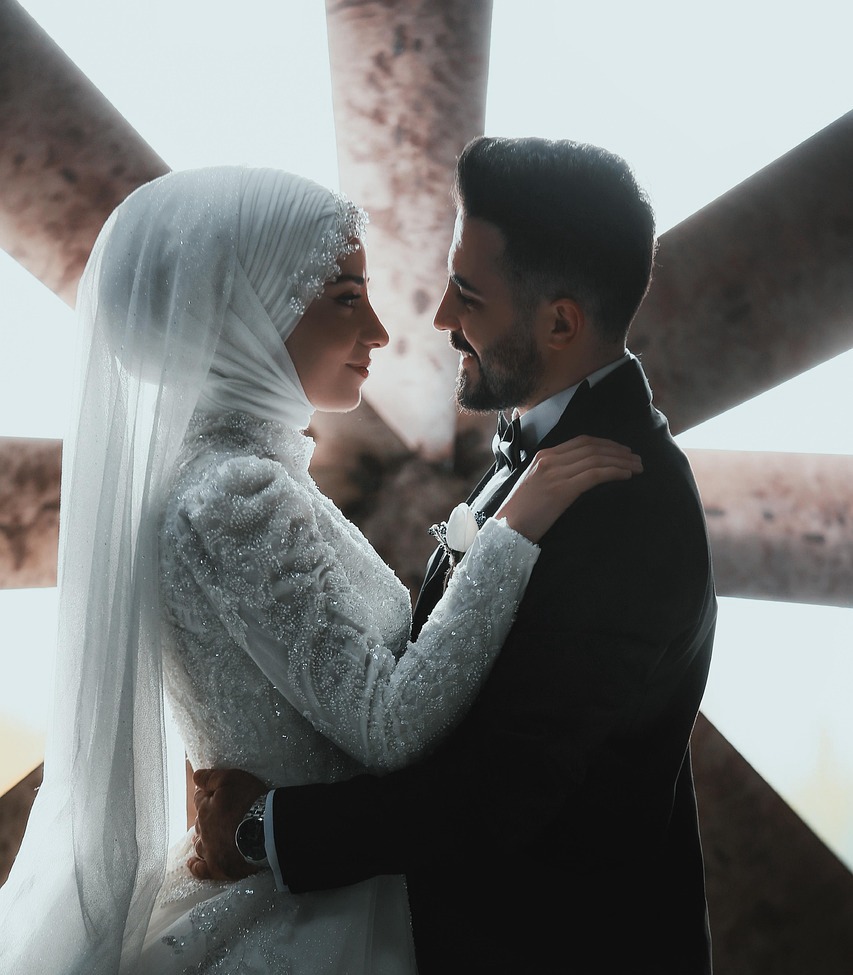
Essential Requirements for a Valid Nikah: What You Need to Know
The Islamic marriage ceremony, or Nikah, is a profound spiritual milestone. However, it is also a formal, recognized contract between two individuals. To ensure this contract is valid and fully compliant with Islamic Sharia law, specific core requirements must be met.
Whether you are planning a grand physical event or an intimate online Nikah, these conditions remain the non-negotiable foundation of your union. Here is a clear breakdown of the essential requirements for a valid Islamic marriage.
1. Mutual Consent (Ijab and Qabul)
The absolute cornerstone of any Islamic marriage is the free, willing, and uncoerced consent of both the bride and the groom. A forced marriage is strictly prohibited and entirely invalid in Islam.
During the ceremony, this consent is expressed through the Ijab (the formal offer) and the Qabul (the formal acceptance).
- The Offer (Ijab): Typically made by the bride’s representative (Wali), offering the bride in marriage to the groom.
- The Acceptance (Qabul): The groom must verbally and clearly accept the offer in the same sitting.
In an online Nikah, this exchange happens live over video, ensuring both parties are present (virtually), fully aware, and consenting in real-time.
2. The Mahr (The Dower)
The Mahr is a mandatory gift given by the groom to the bride. It is a symbol of his respect, commitment, and responsibility toward her.
- It belongs solely to the bride: The Mahr is her exclusive property to use as she pleases.
- It must be agreed upon: The exact amount or nature of the Mahr (whether it is money, jewelry, property, or even a non-material gift) must be mutually agreed upon before the ceremony.
- Prompt or Deferred: The Mahr can be given immediately at the time of the Nikah (prompt) or promised for a later date (deferred), depending on the couple’s agreement.
3. The Presence of Witnesses (Shahidain)
A Nikah is a public declaration, not a secret arrangement. To validate the marriage contract, the presence of witnesses is strictly required.
- Who qualifies: Sharia requires at least two sane, adult, Muslim male witnesses.
- Their role: The witnesses must clearly hear and understand the Ijab and Qabul (the offer and acceptance).
For an online Nikah, the witnesses join the live video session. The officiating Imam will specifically address them, confirm their identities, and ensure they clearly hear the vows being exchanged.
4. The Bride’s Guardian (Wali)
In Islamic tradition, the Wali acts as the protector and representative of the bride, ensuring her rights are upheld and that the marriage is in her best interest.
- The Wali is typically the bride’s father. If the father is unavailable or deceased, the role falls to the grandfather, adult brother, or another respected male relative.
- In cases where a woman does not have a Muslim male relative, or faces specific logistical challenges, an appointed representative (Wakeel) or a qualified Islamic judge/Imam can step in to ensure her rights are protected.
5. A Qualified Officiant
While the fundamental pillars of the contract are the consent, Mahr, witnesses, and Wali, having a knowledgeable and licensed officiant (Imam) is crucial in the modern world. An experienced Imam ensures that:
- The Arabic terminology is used correctly.
- All Sharia conditions are meticulously verified before the ceremony begins.
- The marriage is properly documented for legal and spiritual recognition.
Ensuring a Sharia-Compliant Online Nikah
Navigating these requirements can sometimes feel overwhelming, especially if you and your partner are separated by distance. That is exactly why our online Nikah service exists.
Our experienced team and licensed officiants guide you through every single step. We verify your witnesses, help you document the Mahr, and conduct a beautiful, fully authenticated ceremony that respects every detail of Sharia law—all from the comfort of your home.
Ready to schedule your online Nikah? [Book your Ceremony Now] or contact our support team on [WhatsApp] for any questions.
To ensure your marriage is valid under Sharia law, specific conditions must be met. Learn about the core requirements, including mutual consent, the Mahr, and the presence of witnesses.